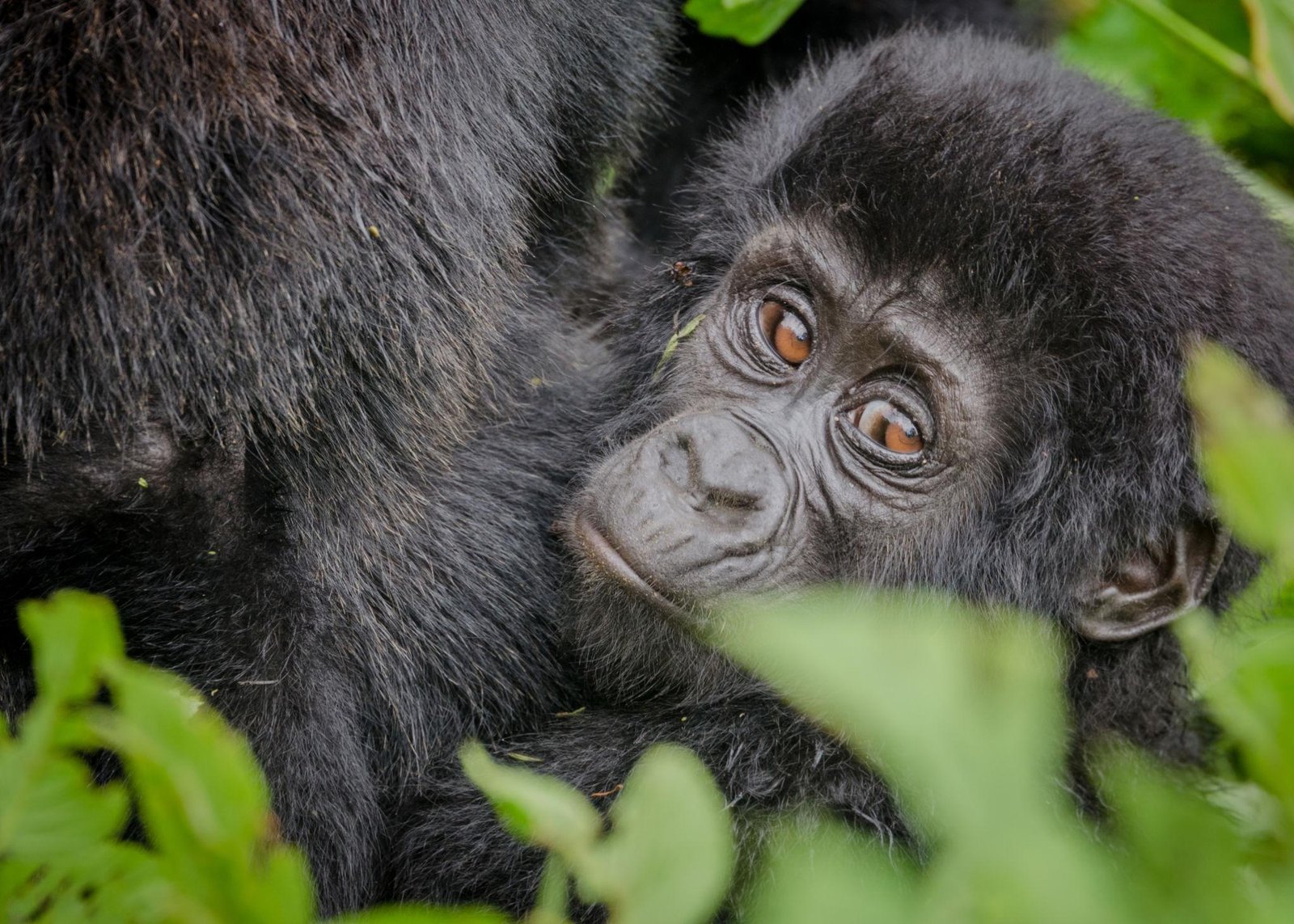
There's a moment on every gorilla trek usually right after your legs are burning and your shirt is soaked through with sweat, when the ranger holds up a hand and whispers, "There. There they are." And just like that, none of the mud or the climbing matters anymore. You're standing a few meters from a family of mountain gorillas, watching a baby tumble over its mother's back like it's the most ordinary thing in the world.
Uganda is home to more than half of the world's remaining mountain gorillas, and treks through Bwindi Impenetrable National Park and Mgahinga Gorilla National Park are, without exaggeration, one of the most extraordinary wildlife encounters left on the planet.
But let's be honest about something first: this isn't a stroll. The forest floor is steep, slick, and completely unpredictable, and the difference between a miserable morning and the best day of your trip often comes down to what's in your backpack. So, here's what we tell every guest before they head out, packed with small details that matter.
1. Boots That Have Already Broken You In
This is the one item worth obsessing with. Get waterproof, ankle-supporting hiking boots with real grip, and this part is non-negotiable. Wear them around before you travel. Bwindi's trails don't care how new your boots are; they'll find every blister a stiff sole can create. Break them in at home, not on the mountain.
2. Long Sleeves and Long Trousers
Stinging nettles and thick undergrowth are part of the package here. Lightweight, breathable long sleeves and trousers keep your skin off-limits to scratches, bites, and sunburn. Stick to neutral tones, green, khaki, brown, grey, so you blend into the forest rather than announce yourself. Bright colors and camouflage patterns are both best left at home.
3. A Rain Jacket You Can Trust
Rain doesn't check the calendar in Bwindi. Even in the "dry" season, a shower can roll in with almost no warning. A packable waterproof jacket or poncho is worth its small amount of backpack space many times over.
4. Gloves — Yes, Really
This is the item most first-timers forget and then wish they'd packed. You'll be grabbing vines, branches, and clumps of vegetation to steady yourself on steep sections, and gardening or hiking gloves save your palms from thorns and stinging leaves you didn't see coming.
5. A Daypack That Fits Everything Without Weighing You Down
You want something roomy enough for the essentials but light enough that you're not fighting it on the climb. A good rule of thumb: if it fits comfortably, it should hold your water, packed lunch, camera, rain jacket, snacks, any personal medication, and a spare layer. A rain cover or waterproof pack is a smart add-on.
6. At Least 2 Litres of Water
Treks range from a manageable hour to a demanding eight, depending entirely on where the gorilla family happens to be that day. Two litres is the minimum, bring more if you tend to drink a lot on hikes.
7. Snacks That Actually Give You Energy
Trekking through dense forest burns through energy fast. Pack things like energy bars, trail mix, dried fruit, nuts, or a bit of chocolate for a quick lift when you stop to catch your breath.
8. Insect Repellent
Apply it before you enter the forest, not once you're already being bitten. Exposed skin and the edges of your clothing are the areas to focus on.
9. Sunscreen and SPF Lip Balm
The canopy offers shade, but you'll spend real time in open clearings before and after the trek, so don't skip sun protection just because you're heading into a rainforest.
10. A Hat or Cap
Handy at the briefing point, in clearings, and anywhere the tree covers things out, good for both sun and the odd light drizzle.
11. A Camera (With the Flash Switched Off)
You'll want to remember this. Bring a camera or phone with plenty of battery, but keep it in mind:
● Flash photography isn't allowed — it can startle and stress the gorillas.
● Always keep a respectable distance.
● Your ranger's instructions come first, always.
12. Extra Batteries or a Power Bank
Cool mountain air and long trekking hours drain batteries faster than you'd expect. Bring spares, a power bank, and an extra memory card or two, you don't want to run out of storage right as the gorillas appear.
13. Your Personal Medication and a Small First-Aid Kit
Carry enough prescription medication for your whole trip, plus the basics: painkillers, blister plasters, antihistamines, and antiseptic wipes.
14. A Walking Stick
Good news on this one, you don't need to pack it. Wooden walking sticks are provided free at the park headquarters before you set off, and on the steeper, muddier stretches, you'll be glad if you took one.
15. Gaiters (Nice to Have)
It is not essential, but gaiters keep mud, water, and the occasional insect from finding their way into your boots, especially valuable in the rainy season.
16. A Full Change of Clothes for After
Pack a fresh shirt, dry socks, and comfortable shoes to change into once the trek is over. After hours in the forest, dry clothes feel like the best gift you've ever given yourself.
What the Weather Actually Does Up There
Mountain gorillas live at high elevation, so it stays cool year-round brings layers, not just rain gear:
● Mornings: 9–15°C
● Daytime: 18–25°C
● Rain showers can appear at any time, in any season
What to Leave at Home
A few things that don't belong in your pack, for the gorillas' safety and your own ease:
● Speakers or anything that plays loud music
● Drones (not permitted in the parks)
● Flash photography gear
● Strong perfumes or colognes
● Heavy, oversized luggage
● Disposable plastic bags, where the park restricts them
A Few Extra Things Worth Knowing
● Moisture-wicking socks go a long way toward preventing blisters.
● Eat a solid breakfast before you set out, you'll need the fuel.
● Consider hiring a local porter. They'll carry your bag, steady you on the tough sections, and your fee goes directly back into the local community.
● Pay close attention during the ranger briefing, it matters more than it seems.
● Keep at least 7 metres between you and the gorillas unless a ranger tells you otherwise.
● Feeling unwell before the trek? Tell park staff. Gorillas share close to 98% of our DNA, which also means they're highly vulnerable to human illnesses, a common cold to us can be dangerous to them.
Ready to Meet Uganda’s Gentle Giants
The right gear is more than just comfort, it’s what allows you to be fully present in the moment you’ve journeyed so far to experience. When the ranger raises a hand and you find yourself face-to-face with a family of mountain gorillas, you won’t be thinking about wet socks or drained batteries. You’ll be immersed in one of the rarest wildlife encounters on Earth.
At Likana Safaris Uganda, our expert guides walk with you every step of the way. They know these forests intimately, from the hidden trails to the subtle signs of gorilla movement, ensuring your trek is safe, insightful, and unforgettable. We handle everything else permits, accommodation, transport, and the details that make your adventure seamless.
Pack wisely, lace up your boots, and let our guides lead you into the misty heart of Bwindi and Mgahinga. The reward? A once-in-a-lifetime meeting with Uganda’s gentle giants.